Growth Journeys: From first steps to new heights—how officers grow their careers.
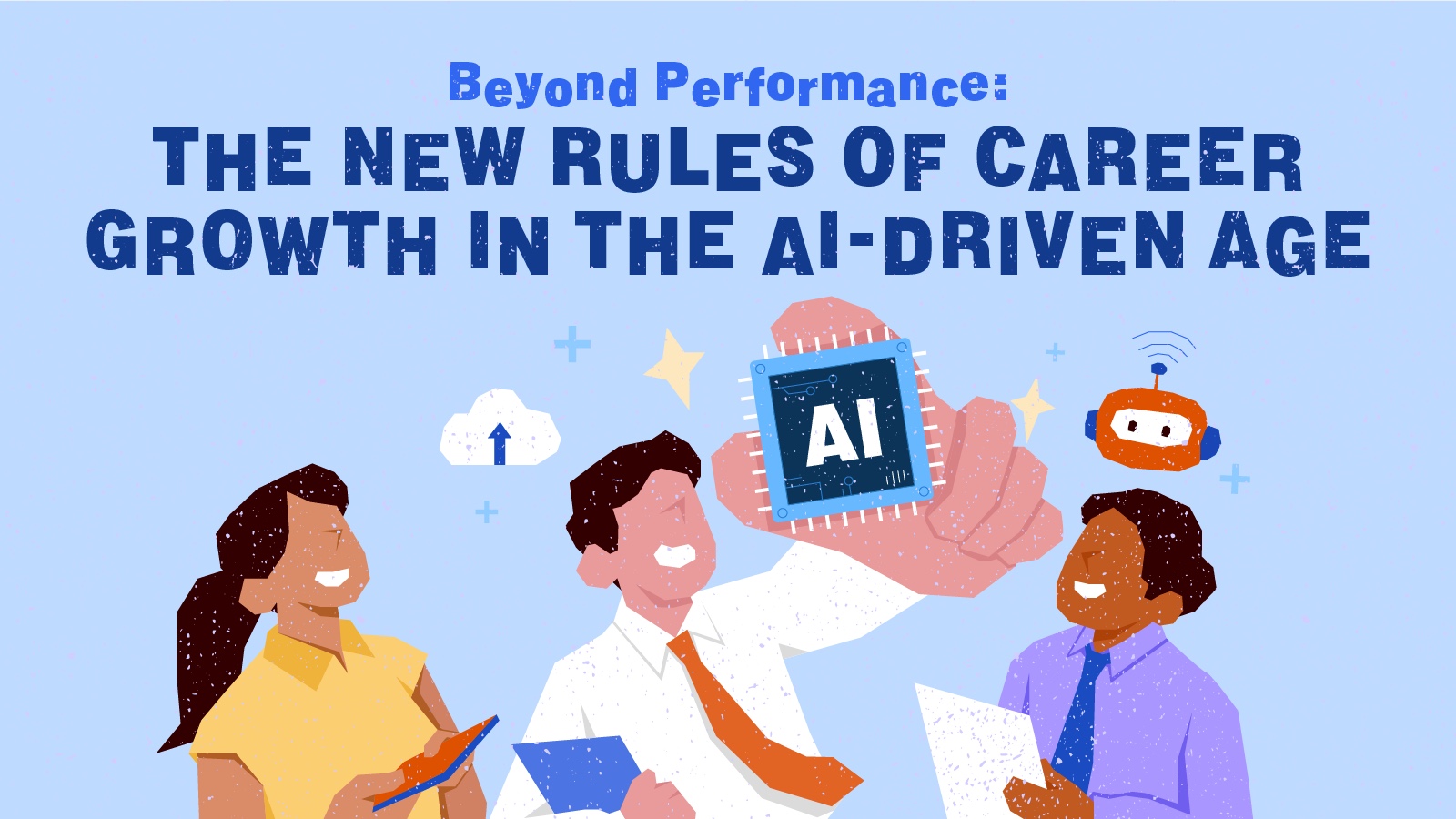
Beyond Performance: The New Rules of Career Growth in the AI-Driven Age
17 July 2026
Career growth today depends less on what you know, and more on how quickly you can adapt. Here are six practical ways public officers can stay relevant and ready for what comes next.
What if the biggest challenge to your career in the Public Service is not stagnation, but staying too comfortable?
The skills that mattered five years ago are no longer enough. Public expectations are rising, digitalisation is reshaping workflows, and demographic shifts are making policymaking more complex.
On top of that, artificial intelligence (AI) is changing the nature of work as routine tasks make way for more complex analytical work that requires judgement.
The adaptability paradox
But there is a catch.
The same pressures that make adaptability essential can also push us towards familiar patterns and trusted approaches. This is the adaptability paradox (opens in new tab): when we most need to learn and change, we tend to fall back on what we already know, limiting our ability to grow and innovate.
Career growth today is not just defined by how well you perform, but by how well you can adjust to the next sea change.
Here are six ways to help you overcome the paradox and build your adaptability muscles.
#1 Know what strong performance looks like— and what comes next
Adaptability starts with knowing where you stand.
The Public Service has set out competencies and behaviours (opens in new tab) needed to do your job well today, and signal what may matter more tomorrow. The framework is not just an appraisal tool, but a way to take charge of your own growth.
Reviewing your competencies regularly helps you spot gaps early, build on your strengths, and prepare for new demands before they take place.
Takeaway: Own your learning journey. Seek out unfamiliar assignments, ask better questions, and use the work itself to build your next set of skills.
#2 Embrace different work opportunities
By 2030, 39% of core skills globally (opens in new tab) are expected to be disrupted.
In an environment where skills become obsolete faster, formal training alone cannot keep up. Increasingly, capability is through exposure to new problem sets (opens in new tab).
The Public Service offers a range of opportunities (opens in new tab), from short-term immersion programmes and job rotations (opens in new tab) to attachments, to help officers build skills beyond their immediate roles.
Takeaway: Own your learning journey. Seek out unfamiliar assignments, ask better questions, and use the work itself to build your next set of skills.
#3 Have the career conversation
Growth rarely happens in isolation. Regular conversations with your supervisor—at least twice a year—help you get guidance, stay on track, and surface opportunities you might not have considered. Career coaches (opens in new tab) in the Public Service can also offer additional perspective and insights.
These conversations work best when you know what competencies you want to strengthen, which experiences you hope to gain, and the steps you are prepared to take.
Pro-tip: Draft your growth plan to help keep the discussion focused, practical, and useful for both sides.
Takeaway: Don't leave career development to chance. Initiate career conversations for a headstart on growth.
#4 Learn to unlearn
Experience is an asset but it can also be a blind spot.
In a fast-changing Public Service (opens in new tab), approaches that have worked in the past may no longer hold in the future as policies evolve, technologies change, and problems become more complex.
Unlearning is the ability to recognise this and adjust. It may mean moving from a siloed mindset to sharing ownership of outcomes with other agencies, or evolving from top-down policymaking to deeper stakeholder engagement.
Takeaway: Question your prior experience, update it, and let go of whatever no longer serves your work.
#5 Use AI to improve work, not just speed it up
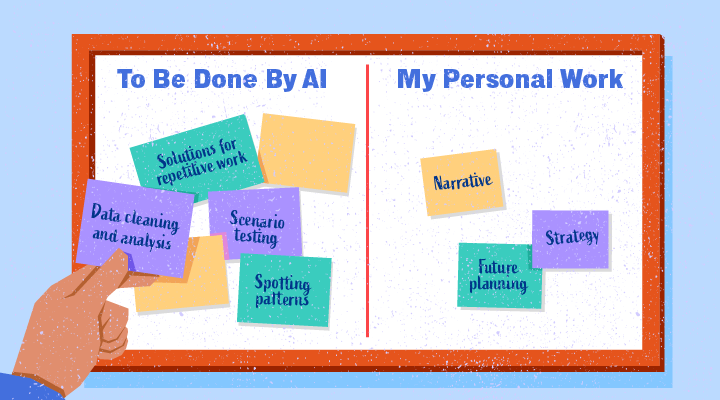
AI is useful not just for drafting emails or summarising documents. Learn to identify (opens in new tab) where AI can strengthen the quality of your work, improve decision-making, or free up time for higher-value work.
Start by looking at your role. Which tasks are repetitive, time-consuming, or information-heavy? Where do you need to compare large amounts of material, spot patterns, or test different scenarios? These are often areas where AI can help.
Takeaway: Use AI where it can meaningfully improve the quality, speed, or impact of your work while keeping human judgement at the core.

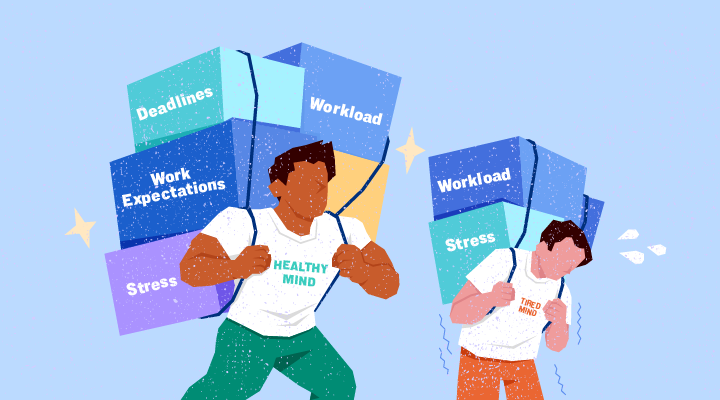
#6 Look after your well-being
Our brains are capable of rewiring under stress to adapt, but this capacity depends greatly on the state of our body and mind.
Research shows that rest (opens in new tab), exercise (opens in new tab), and mental well-being (opens in new tab) support the ability to learn new things, break out of rigidity, and be resilient, while prolonged stress and fatigue narrow it. Finding it hard to strike a better work-life balance? Check out these tips (opens in new tab).
Take away: Adaptability comes easier when you are well-resourced.
Own your career fitness
Career growth today is much less about linear progression and more about expanding your capability, perspective, and impact. Progress may come through lateral moves, temporary detours, or roles that stretch officers in unexpected ways.
The Public Service's Career Fitness Movement (opens in new tab) brings together the tools, programmes, and support to help officers navigate this—from competency frameworks and learning platforms, to career coaching and development opportunities.
But these resources only work if officers take ownership of their growth.
For those who are used to clearer markers of advancement, this can be disorienting. Yet it also opens up a different kind of career, one that is more responsive to changing national needs, and aligned with the complex realities of Public Service work today.