Not Just Chatbot 61: Building a Smarter Front Door to Government
25 November 2026
Category
Heart of Public Service: The people, purpose and passion behind serving Singapore
New Ways of Working: Fresh ideas, smarter teamwork and better ways to get things done
How the team behind chat.gov.sg used GenAI, user-centred design, and cross-agency collaboration to make government information easier to navigate.
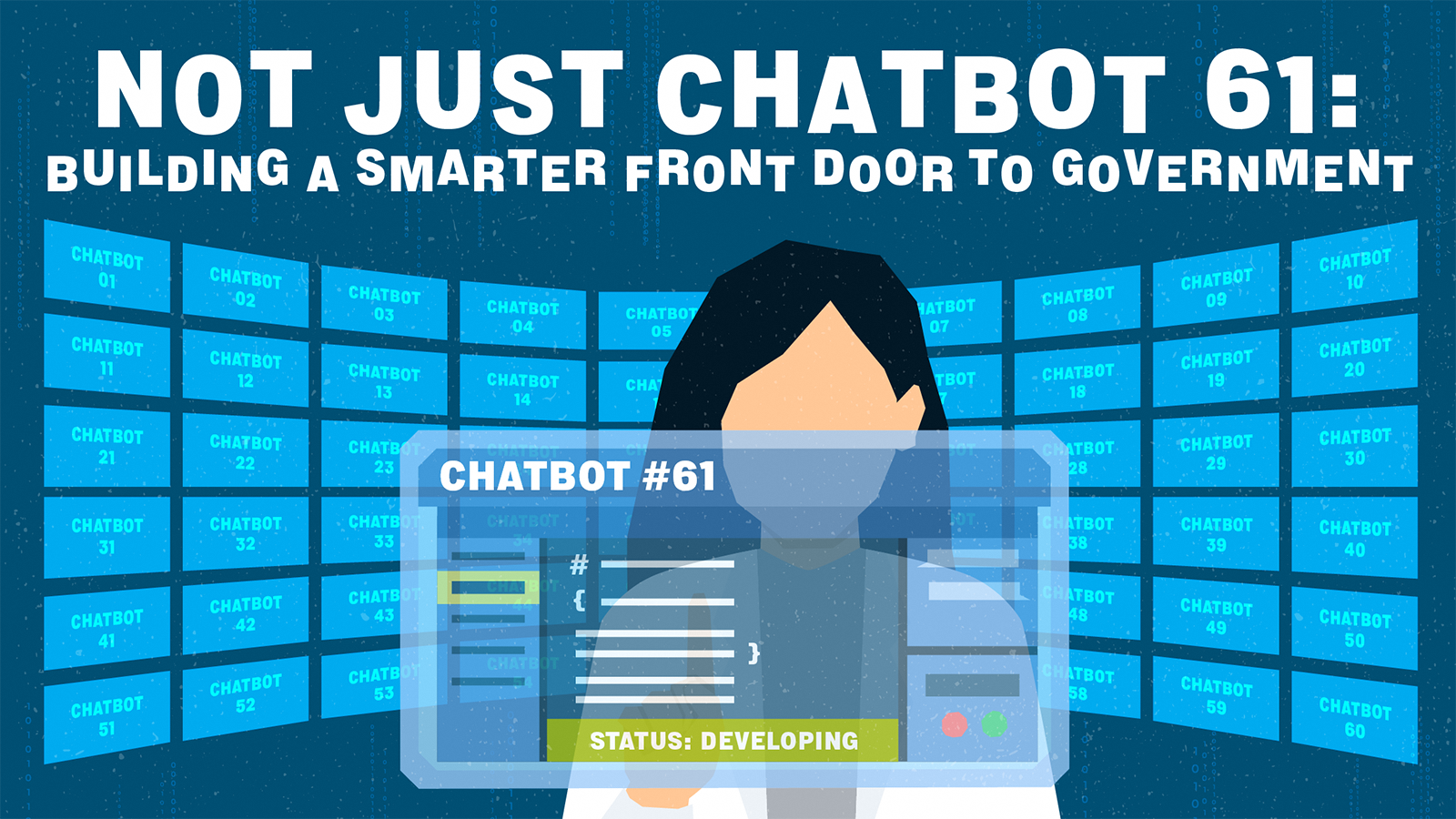
More than 60 chatbots had already been developed across Singapore's Government.
So why did Tay Ru Yan and her team at Public Service Division (PSD) set out to build another one?
The answer lies in how citizens actually experience the Government.
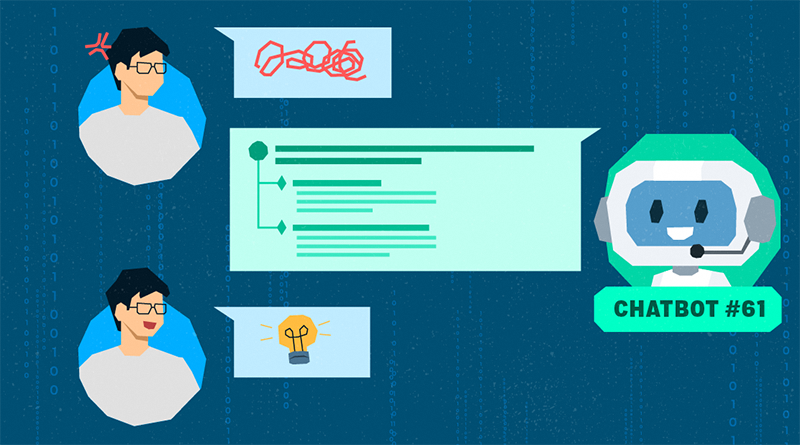
Agency chatbots are useful when people already know where to look. But real-life needs rarely fit neatly within one agency. Someone who loses a job, for instance, may need information on employment, financial assistance, and healthcare, but first has to work out which part of Government handles what.
“We once heard someone joke that you almost need a degree to interact with Government. You need to know the right keywords, figure out which website to go to, understand Government terminology, and then work out whether a scheme applies to you,” says Tay Ru Yan, Senior Assistant Director, ServiceSG.
“What if they could simply describe their situation in plain language, and technology helps connect them to the right information or support?” asks Ru Yan.
One Front Door, Many Sources
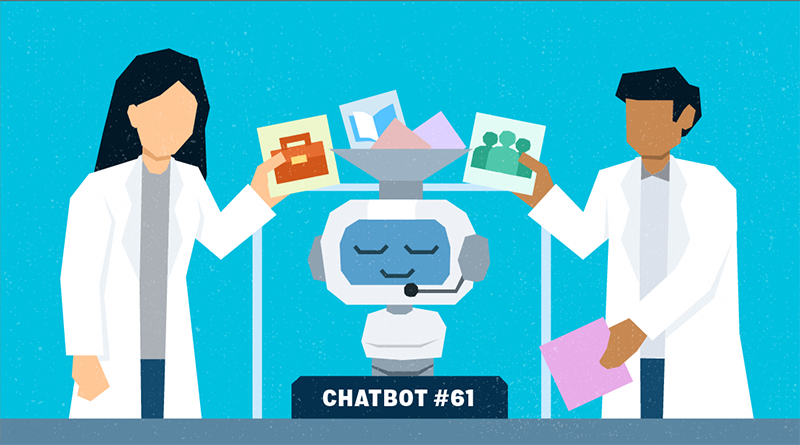
That thinking led to chat.gov.sg (opens in new tab), an AI-powered Whole-of-Government chatbot designed as a single front door to Government information.
Simple for the user, however, did not mean simple to build.
GenAI may have made typing a question in everyday language and getting an answer look effortless. But chat.gov.sg (opens in new tab) faced a challenge: where would those answers come from, and how could the information stay accurate and current?
Chat.gov.sg (opens in new tab) would need to draw from a fragmented information landscape spanning more than 500 Government websites and turn that material into responses that felt coherent and useful.
A major breakthrough came when GovTech shared its work on SearchSG.
“SearchSG indexes Government websites and refreshes the information regularly, which gave us a way to tap on current information across agencies. That was when we felt a Whole-of-Government approach could actually be feasible,” Ru Yan shares.
Better AI Starts with Better Information
That was just the first challenge.
“Government content is incredibly rich, but it's not always structured in the same way. Some of it is straightforward for AI to understand, while other information may be buried in PDFs, infographics, tables or older webpages,” Ru Yan says.
And there is also legacy content that remains online long after newer information has superseded it.
The team quickly learnt a lesson: AI is only as good as its source data. Together with the Ministry of Digital Development and Information (MDDI), the team discussed how Government content could be structured and written so that AI systems could retrieve and interpret it more accurately.
When You Cannot Eliminate Every Risk
The hardest challenge, however, was not technical.
We asked ourselves: ‘What if the bot gives an incorrect answer? How do we explain it?'— Tay Ru Yan, Senior Assistant Director, ServiceSG
Unlike conventional rules-based systems, GenAI cannot guarantee the same response every time. “You can improve the data, and conduct extensive testing, but you can never guarantee that every response in every conversation will be 100% accurate,” she says.
That forced a rethink of risk management. “The question was no longer, ‘Can we eliminate all risks?’ but rather, ‘Have we understood and managed the risks sufficiently to launch responsibly?’” says Ru Yan.
The team could have launched chat.gov.sg (opens in new tab) earlier. Instead, it delayed the launch by several months, working with agencies and domain experts to validate responses and strengthen governance.
Waiting for perfection was not an option either.
With AI, there is always another test case, another enhancement and another model improvement around the corner. If we wait for perfection, we may end up never deploying anything.— Ru Yan
Calm, Helpful, and Within Bounds
Today, chat.gov.sg comes across as a level-headed bot: helpful in pulling together useful information, but clear about where its boundaries lie.
Getting there meant thinking through awkward edge cases. What if someone tried to manipulate the model through a prompt injection? Pushed it into political commentary or international affairs? Or became angry and abusive?
“We asked, ‘How would a reasonable government officer respond if someone asked this question in person?’” Ru Yan shares.
The team even had a colleague in mind, someone known for staying calm and constructive. “Whenever we encountered an angry, inappropriate or unusual query, we would ask ourselves, ‘How would she respond?’”
But overly strict guardrails may make the bot less useful. Safeguards need to preserve the integrity of the service and prevent misuse, yet at the same time protect users, especially when queries involved potentially harmful situations such as abuse or self-harm.
The team thus adopted a simple principle: be safe, but stay helpful. The goal was to guide users towards appropriate support even when chat.gov.sg (opens in new tab) itself could not provide an answer.
Building AI Together Across Government
The journey of building chat.gov.sg (opens in new tab) has also changed how the team approach solutioning.
With members from varied backgrounds, some without technology experience, they built capabilities on the job, from prompt design and AI guardrails to user research and rapid prototyping.
“GovTech brought the technical expertise. MDDI helped us think through governance and broader trends. OpenAI brought insights from the frontier of AI development. ServiceSG contributed to our understanding of citizen needs and service design,” says Ru Yan.
That collaborative experience is shaping what comes next.
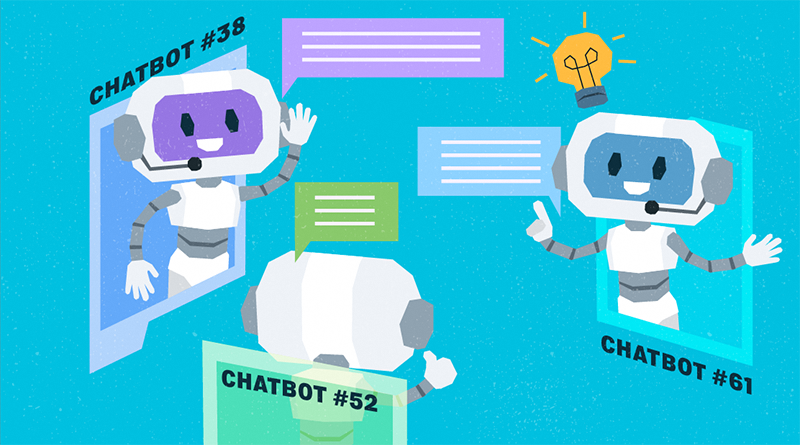
“We are looking to build a more interoperable bot ecosystem across Government, where bots can talk to one another behind the scenes and tap on each other’s functions,” shares Ru Yan. “Also, we’re already seeing agencies build really impressive AI solutions. If we can share AI solutions with one another, agencies can save development effort and move faster.”
There are still technical, operational, and governance challenges to solve. But the direction is clear: if chat.gov.sg (opens in new tab) began by making Government boundaries easier to navigate, the next step is to make those boundaries almost invisible.
“We don’t think this vision can be achieved by any single agency alone,” Ru Yan emphasises. “Similar to how we built chat.gov.sg (opens in new tab), the next generation of AI services must be built by bringing together the best ideas and capabilities across the Public Service.”