
Technology: Tech and AI helping officers work smarter and serve better.
From Lab to Rubble: How Cyborg Cockroaches Saved Lives
12 August 2026
Cockroaches are not the first thing that comes to mind in disaster relief. But in earthquake-hit Myanmar, cyborg insects helped Singapore’s Operation Lionheart team search spaces too small and dangerous for rescuers to enter.
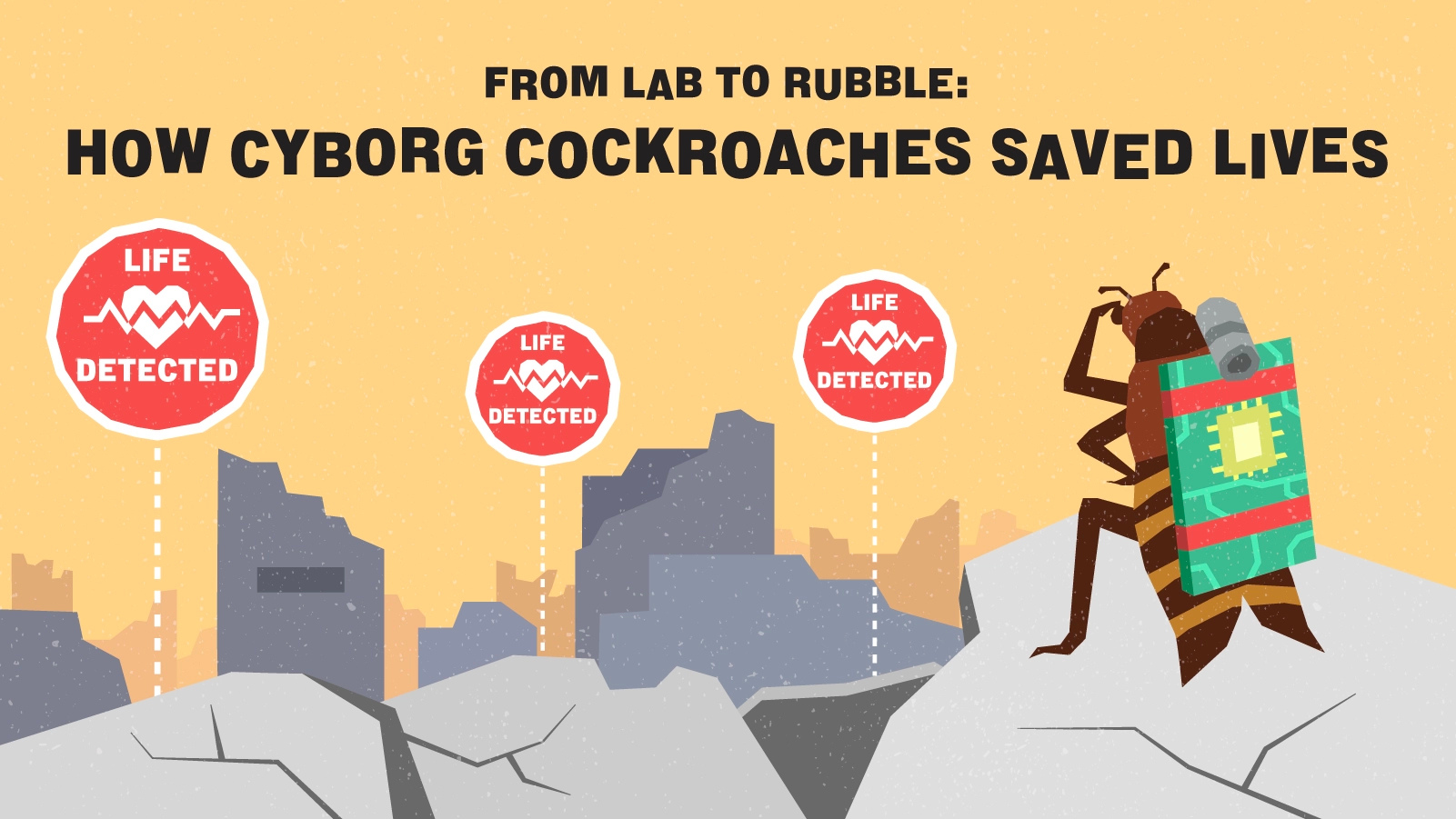
When the Operation Lionheart contingent was deployed during its life-saving mission in earthquake-hit Myanmar in 2025, one hi-tech tool used by the team raised quite a few eyebrows.
This tool was not a drone, a robotic dog, nor a high-tech scanner.
It was a cyborg cockroach. Ten of them, in fact: Madagascar hissing cockroaches, each fitted with a miniature thermal camera and sensors, and remotely guided through the rubble.
Deployed as part of Operation Lionheart, the Singapore Civil Defence Force (SCDF)’s overseas relief mission, the cyborg cockroaches helped search for possible signs of life among rubble, in spaces too small, unstable, or dangerous for humans to enter.
This marked the world’s first field deployment of insect-hybrid robots in a humanitarian operation.
But this is not just a story about unusual technology. It is a story about how Singapore’s Public Service turns frontier research into operational capability in a real humanitarian crisis. Operation Lionheart brought together a network of public agencies, researchers, and industry partners working together not just to do things better, but do better things.
A Small Tool for a Big Problem
In any disaster, rescuers race against time to search for survivors trapped beneath rubble. Cockroaches, being small, are also hardy and able to squeeze through tight spaces where machines cannot.
“Conventional miniature robots need on-board battery power for locomotion. This limits their operation time to only a few minutes,” says Yap Kian Wee, Lead Engineer at HTX (Home Team Science and Technology Agency), who was part of the rescue mission.
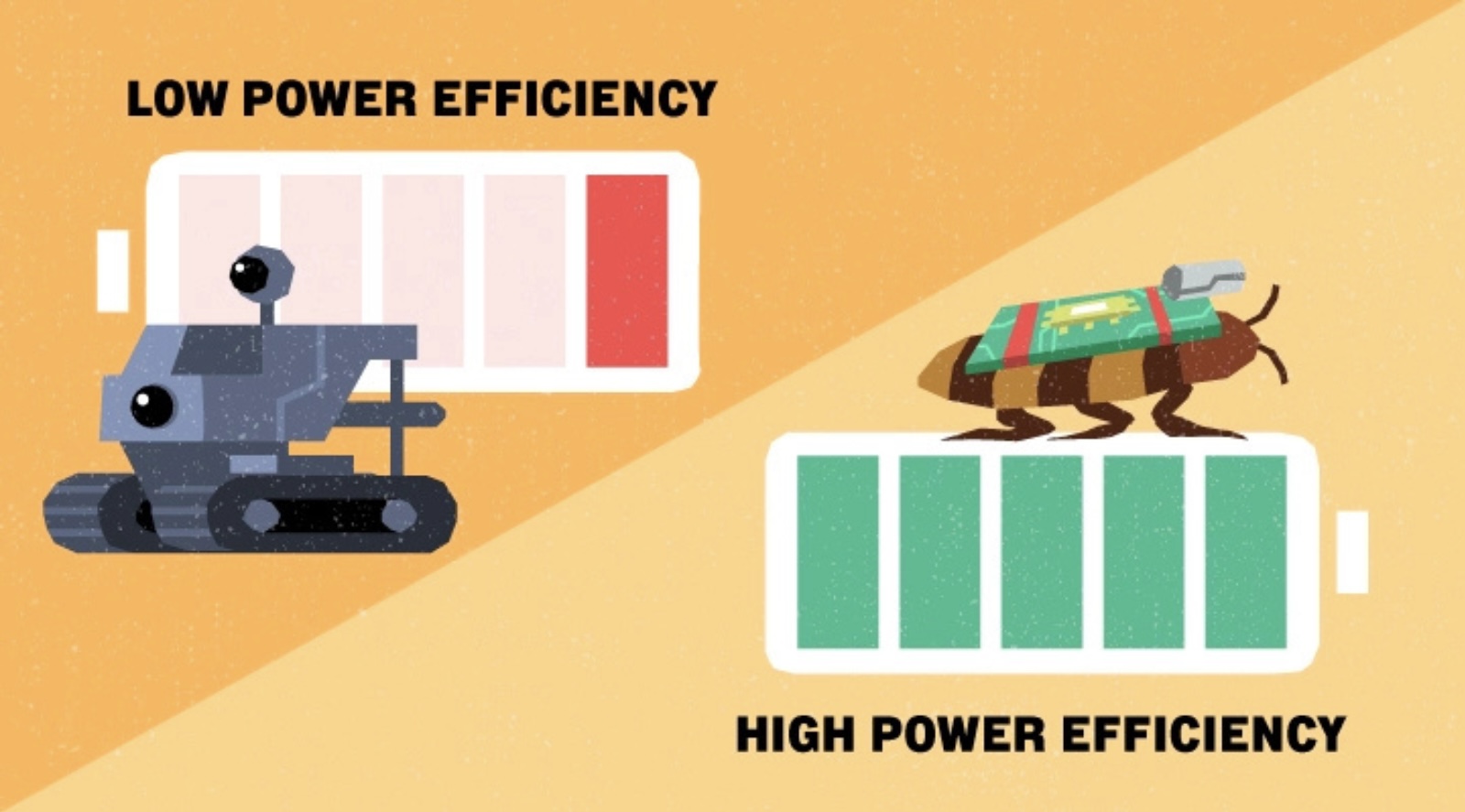
“By using live cockroaches, battery power for locomotion can be saved and instead used to power the electronic backpack for longer periods. This increases operational time to four hours.”
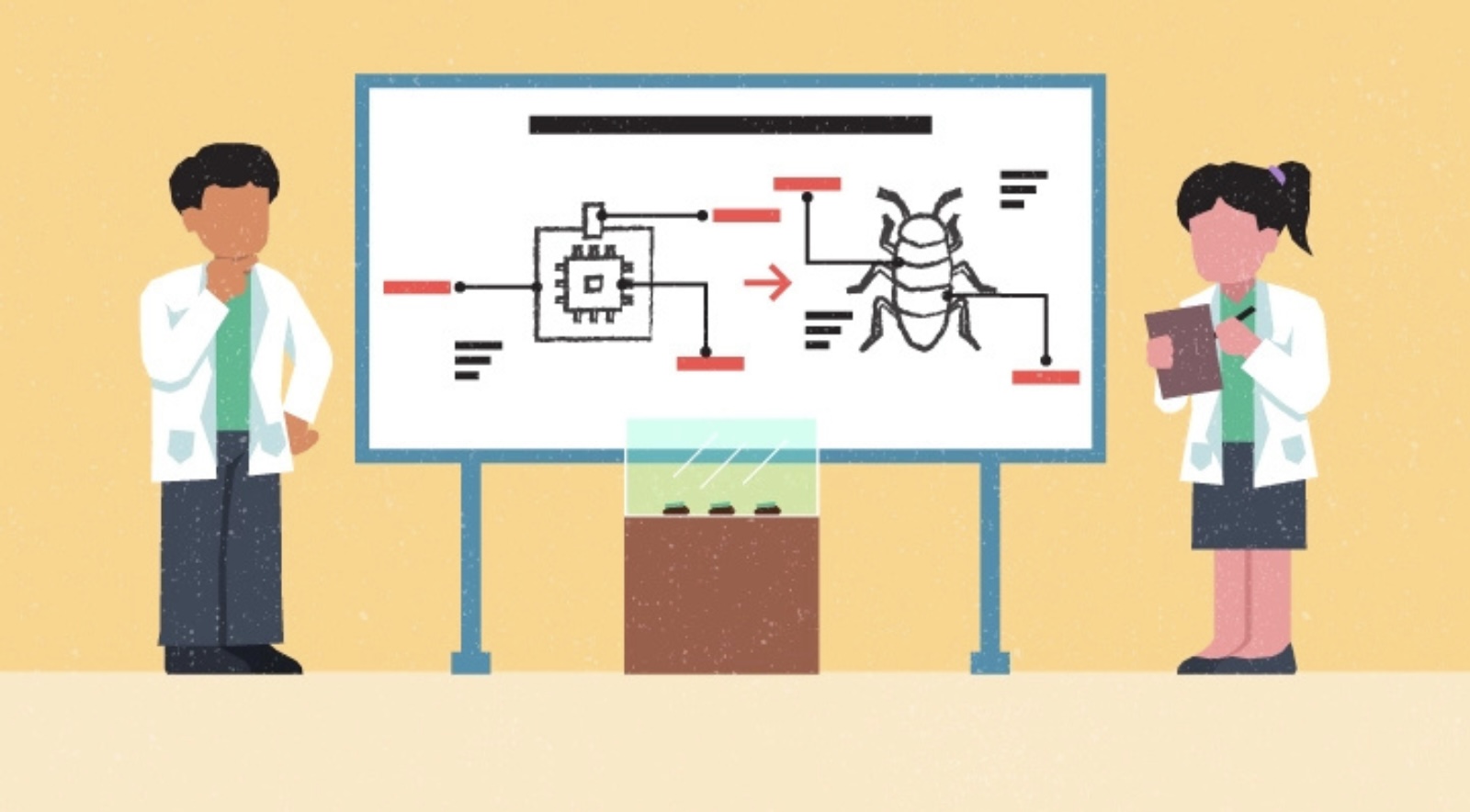
That is what led HTX, Nanyang Technological University (NTU), and Singapore-based company Klass Engineering and Solutions to develop cyborg cockroaches for search-and-rescue work since 2020.
Each insect carries a lightweight electronic “backpack” fitted with sensors and a thermal camera. Gentle electrical signals guide its movement, while the camera and sensors send images and data to help rescuers locate the survivors.
On 30 March 2025, HTX and Klass Engineering engineers joined SCDF’s Operation Lionheart contingent with 10 cyborg cockroaches.
Cyborgs and Humans Working Together
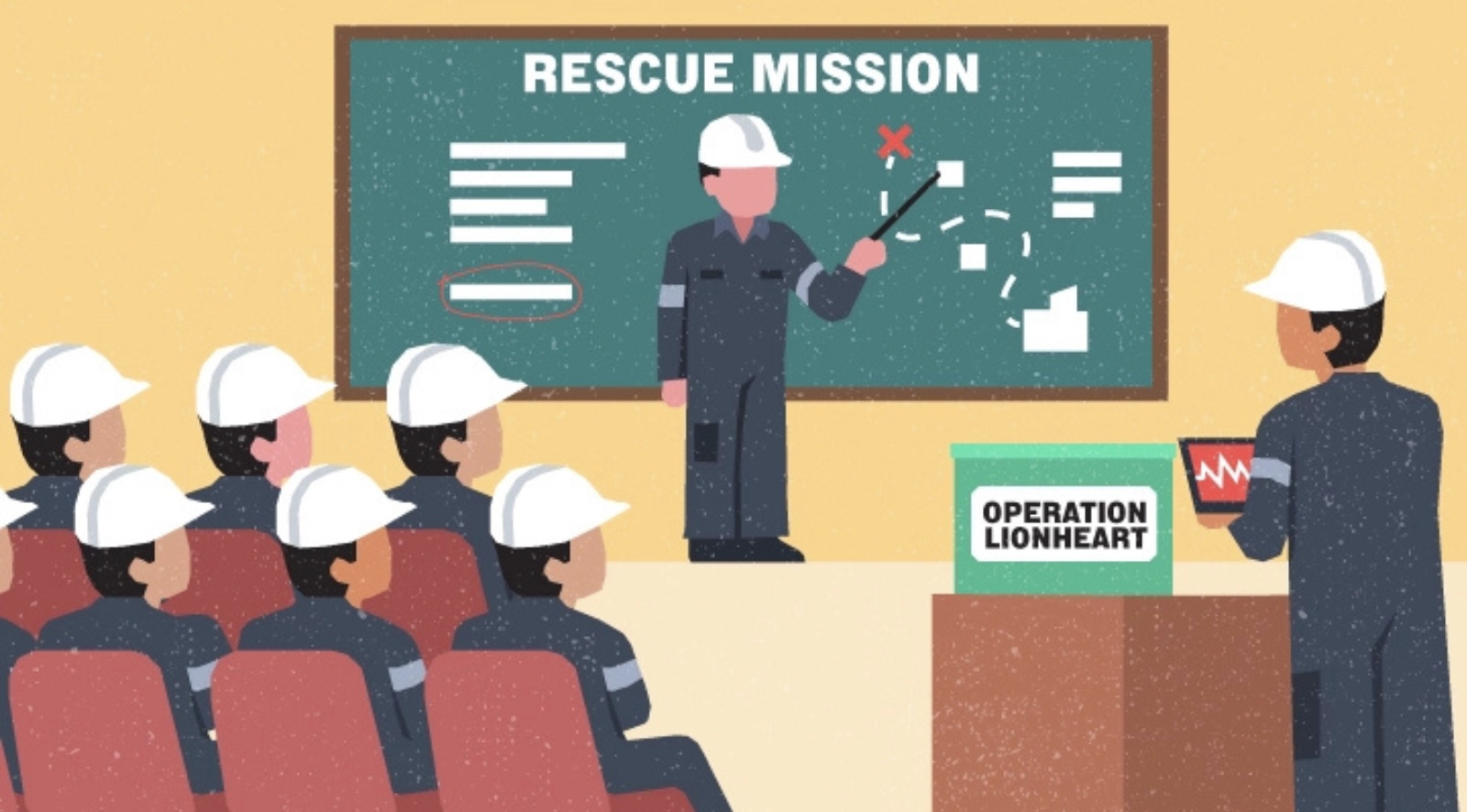
These cockroaches complemented SCDF’s 80-strong contingent and four search dogs in Myanmar.
“SCDF would conduct preliminary assessment on the sites and discuss with the engineers on the suitability for deploying cyborg cockroaches,” recalls Kian Wee. “We shared a close Ops-Tech relationship on the ground. Though no survivors were found, the mission yielded valuable lessons on how the technology could be improved.”
Deploying new technology in a live disaster zone presented an unexpected challenge. In Singapore, the team rushed to secure the necessary papers to export the live insects, while working closely with the Ministry of Foreign Affairs to seek clearance with the Myanmar authority to import the cockroaches.
In Myanmar, the team faced cracked roads, long detours, disrupted power and water supplies, intense heat, and emotionally difficult scenes. At one site, a local resident approached an engineer to say his sibling had been inside a hospital when it collapsed. Other families also waited nearby, hoping their loved ones would be found.
That pressure made the deployment difficult, but also invaluable. Every technical issue became a lesson. Every site showed what the cyborg insects could handle, what needed refinement, and what it would take to deploy them faster and at greater scale in future disasters.
“This deployment allowed us to learn about the dynamic situations faced on the ground and yielded practical insights that would allow us to continuously improve the technology behind the cyborg cockroach,” Kian Wee reflects.
From Prototype to Life-saving Asset
The Myanmar mission showed what it takes to move innovation from research to real-world use.
For years, NTU researchers had been developing cyborg insect technology and improving how quickly the electronic backpacks could be attached. HTX’s role was to translate that frontier research into an operational capability.
SCDF brought the ground reality: what rescuers need, what conditions they face, and what tools can make a difference when every minute counts. Klass Engineering helped support the technology in the field.
This is what Public Service transformation looks like in practice: practical, collaborative and mission-driven, and open to building, testing, and deploying new capabilities, even in the unlikely form of a cockroach carrying a camera.