
Preparing for the Future: Ideas and projects preparing Singapore for what’s next.
How Singapore is Future-Proofing Its Power Supply
14 August 2026
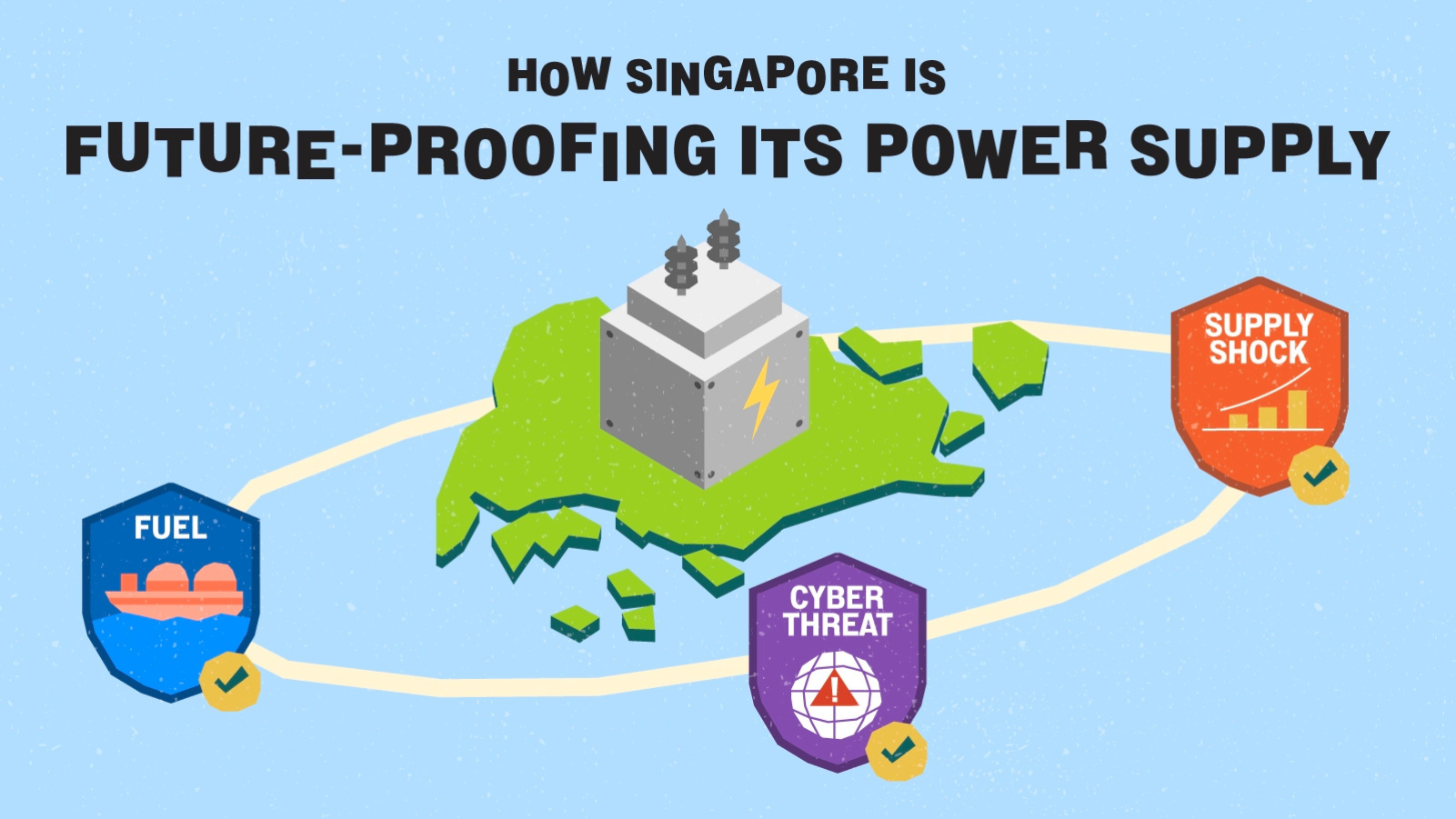
Electricity may fade into the background when it works, but keeping Singapore powered takes constant planning. Here is how the country is building an energy system ready for supply shocks, cyber threats, and an evolving future.
Most of us do not think twice when the lights come on, the train arrives, the lift doors open, or when our phones charge overnight.
That is the quiet power of electricity: when it works, it fades into the background.
Keeping it that way takes constant work. Singapore imports almost all its fuel and has limited land for renewables.
Energy security means ensuring a power grid that can withstand supply shocks, cyber threats, and rising demand.
“There is no single solution for Singapore. There is no silver bullet,” Prime Minister Lawrence Wong noted (opens in new tab). “We cannot depend on any single fuel source, supplier, or technology. We have to pursue multiple pathways at the same time—balancing security, affordability, and sustainability.”
This means building an energy system with more than one line of defence.
Our Lines of Defence
Natural gas
Natural gas anchors Singapore’s energy mix, accounting for 95% of our power needs.
But this heavy reliance means Singapore must guard against any disruptions to gas supply.
To reduce such risks, the Government is building a second liquefied natural gas terminal to meet increasing electricity demand in the future. In 2025, the fully Government-owned entity, Singapore GasCo, was set up to centralise procurement of gas from more diverse sources.
“The aim is to secure more diversified sources of natural gas and strengthen our bargaining position,” Energy Market Authority (EMA) Chief Executive Puah Kok Keong explained (opens in new tab).
Singapore is also pressing ahead with solar despite our land scarcity. Over the past five years, solar capacity has multiplied almost fivefold. “Our aim is to try to maximise every available space that is suitable for solar panels. Every available rooftop, every unused space, on reservoirs, and even on the sea,” Kok Keong said (opens in new tab).
Keeping Future Options Open
No one can say exactly what will power Singapore decades from now. Which is why Singapore is keeping several options open.
For instance, Singapore has been assessing how hydrogen or its derivatives can be used for power generation. It has also deployed technologies (opens in new tab) that run on natural gas today but can be modified to use hydrogen in the future.
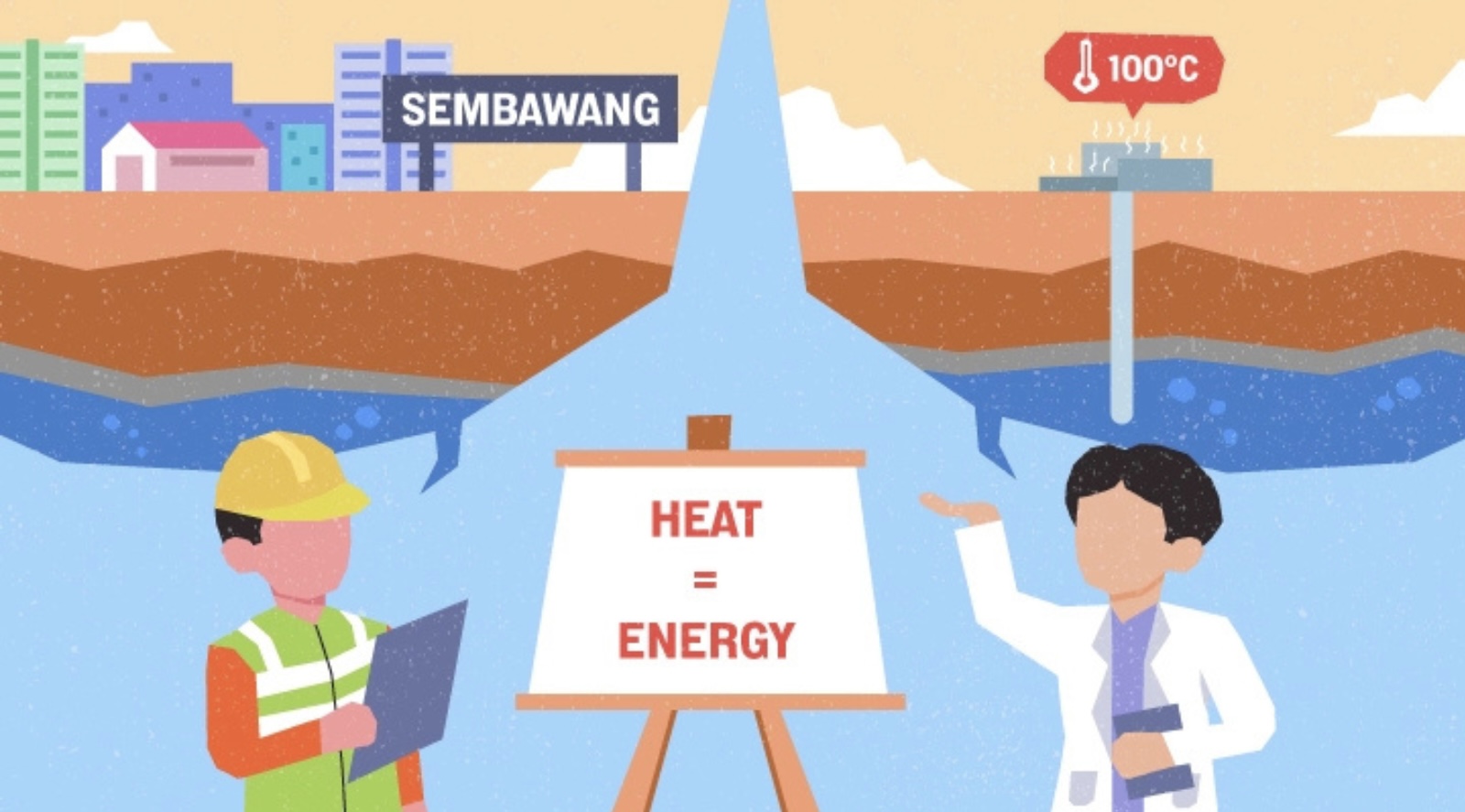
Another possibility is right under Singapore’s feet—heat beneath the ground. Researchers from Nanyang Technological University have found subsurface temperatures in Sembawang exceeding 100°C. In 2024, Singapore began (opens in new tab)surveys (opens in new tab) to better understand whether geothermal energy can be tapped for power.
Then there is nuclear energy, another option that Singapore is studying seriously (opens in new tab).
For instance, Singapore will be embarking on the Integrated Nuclear Infrastructure Review (opens in new tab) (INIR) to build our capabilities to assess the viability of nuclear as a low carbon option. EMA has also been building internal expertise to understand advanced nuclear technologies.
“When the technology matures, we want to be able to more thoroughly assess nuclear energy’s suitability for Singapore,” Kok Keong said (opens in new tab).
Power Links Beyond Our Shores
Besides generating our own sources of energy, Singapore is also looking beyond our shores—importing electricity.
This is already happening: Singapore has an existing interconnector with Malaysia (opens in new tab) and is working to establish more links with regional countries.
But moving electricity across borders is not as simple as plugging in a cable.
Many projects involve subsea cables that cut across maritime jurisdictions, each with its own laws, regulations, and commercial arrangements. As Prime Minister Wong (opens in new tab) noted,
“There is very strong interest to sell power to Singapore. But progress so far has been slow because these projects are inherently complex.”
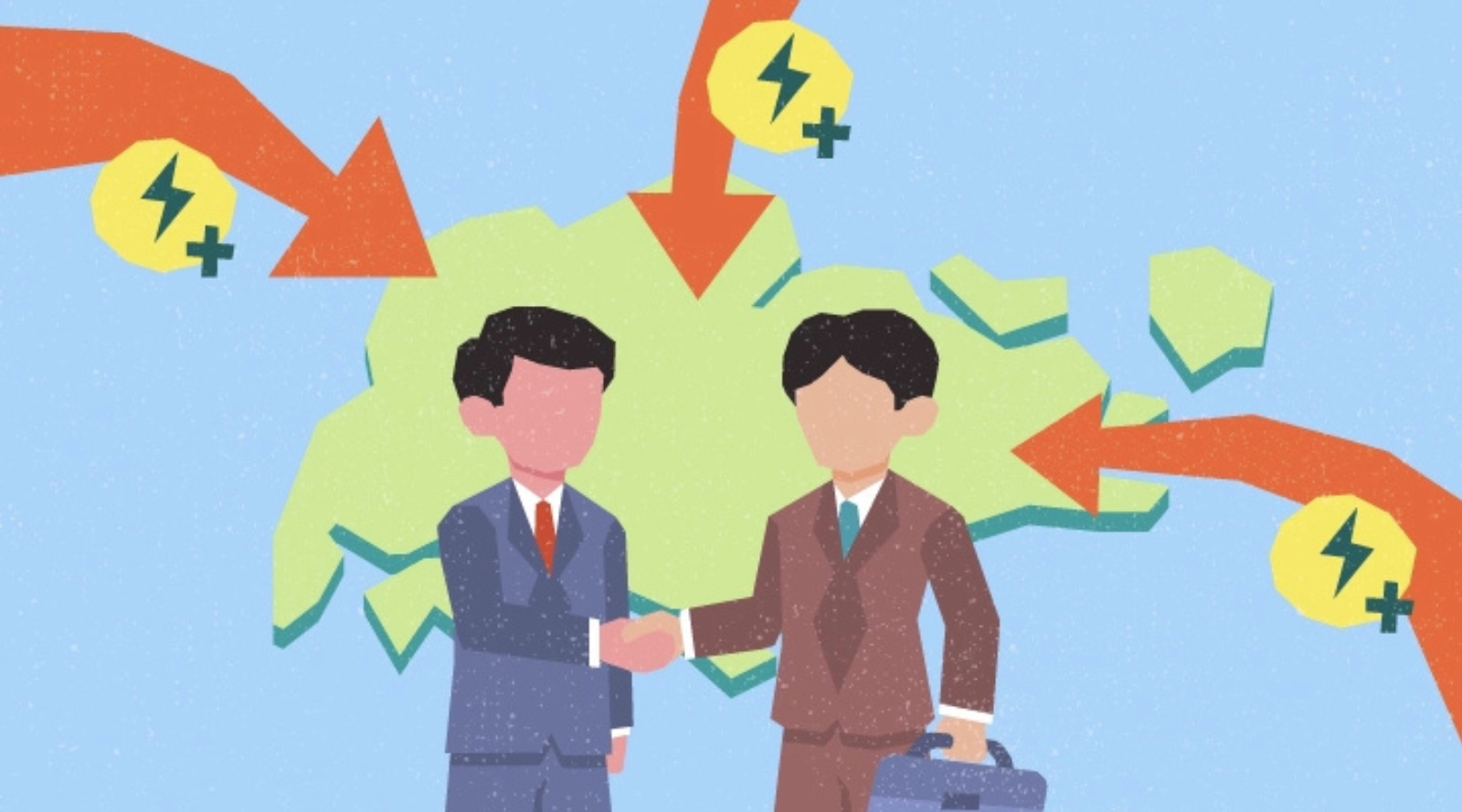
To make clean power imports viable, deep partnerships and market innovation are critical. EMA is working closely with regional energy regulators, power companies, and infrastructure developers to align on the hard details: rules, pricing, reliability, and long-term arrangements, while relooking how Singapore’s electricity market can support such projects.
Defending Our Grid From Cyber Threats
Just as important, Singapore also has to defend the systems that keep electricity flowing.
“If cyber attackers infiltrated our power systems and disabled critical functions, this could potentially trigger widespread outages and a national emergency,” said Ng Jui Seng (opens in new tab), a Specialist in Physical and Cyber Security at EMA.
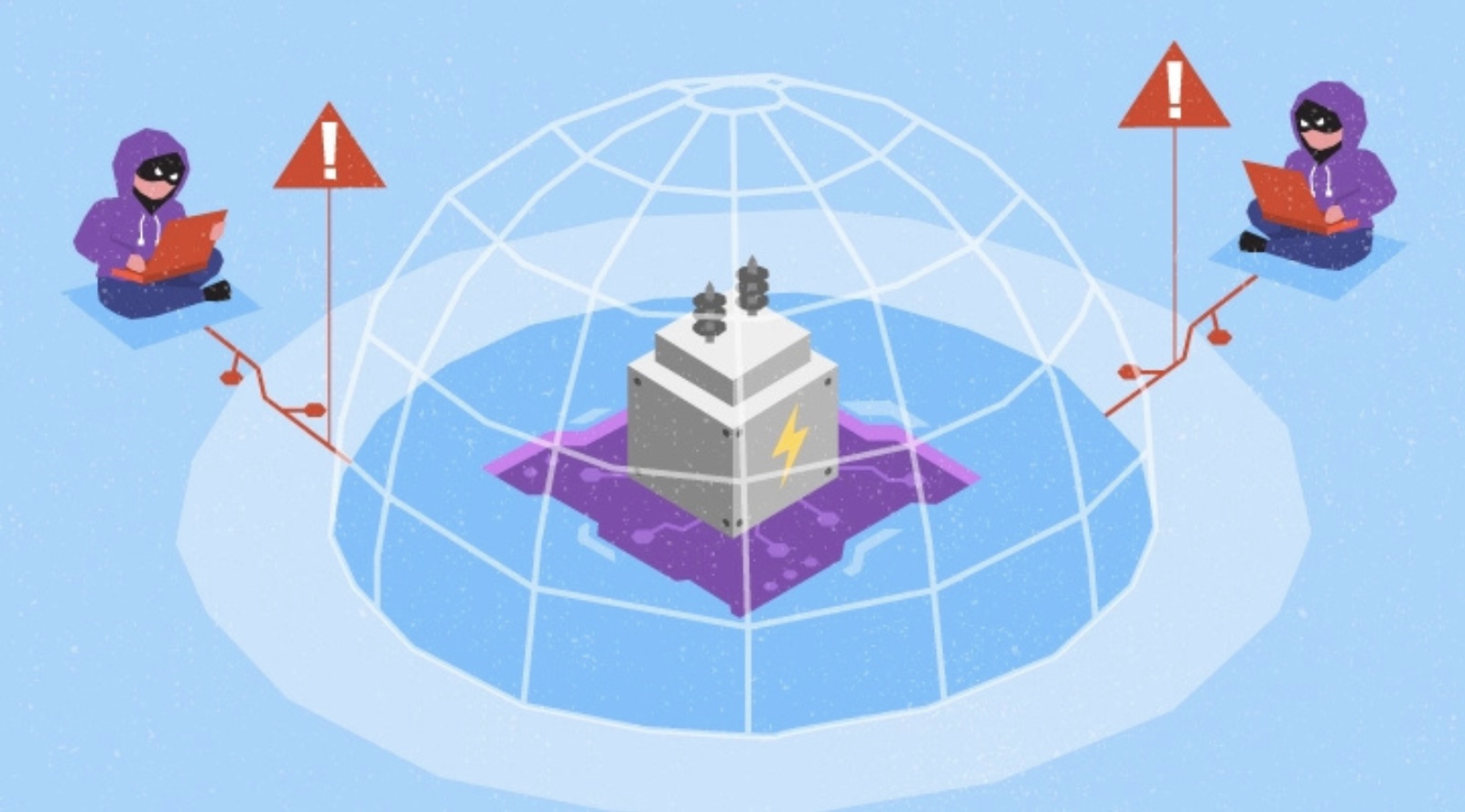
EMA thus works closely with the Cyber Security Agency of Singapore (CSA) and critical information infrastructure owners, including operators of power plants and electricity networks. Together, they monitor risks, share information, check system health, and agree on precautionary measures.
They also rehearse for the worst. Through multi-agency exercises, operators practise responding to realistic crisis scenarios before such incidents happen for real.
As Singapore’s power systems become more digital and complex, cybersecurity requires a rethinking of design itself. “Security cannot be an afterthought,” Jui Seng said. “New systems must factor in cybersecurity at the design stage. This is what we call ‘security by design’.”
Building Energy Resilience Early
Singapore’s energy future will not be simple. Natural gas will remain necessary. Solar will grow but has limits. New technologies need time to mature. Electricity imports require complex partnerships. Cyber threats will keep evolving.
That is why Singapore cannot wait for perfect answers.
Instead, resilience is built ahead of time: diversifying energy supply, exploring potential low-carbon energy options, strengthening partnerships, securing critical systems, and preparing for disruptions before they arrive.